


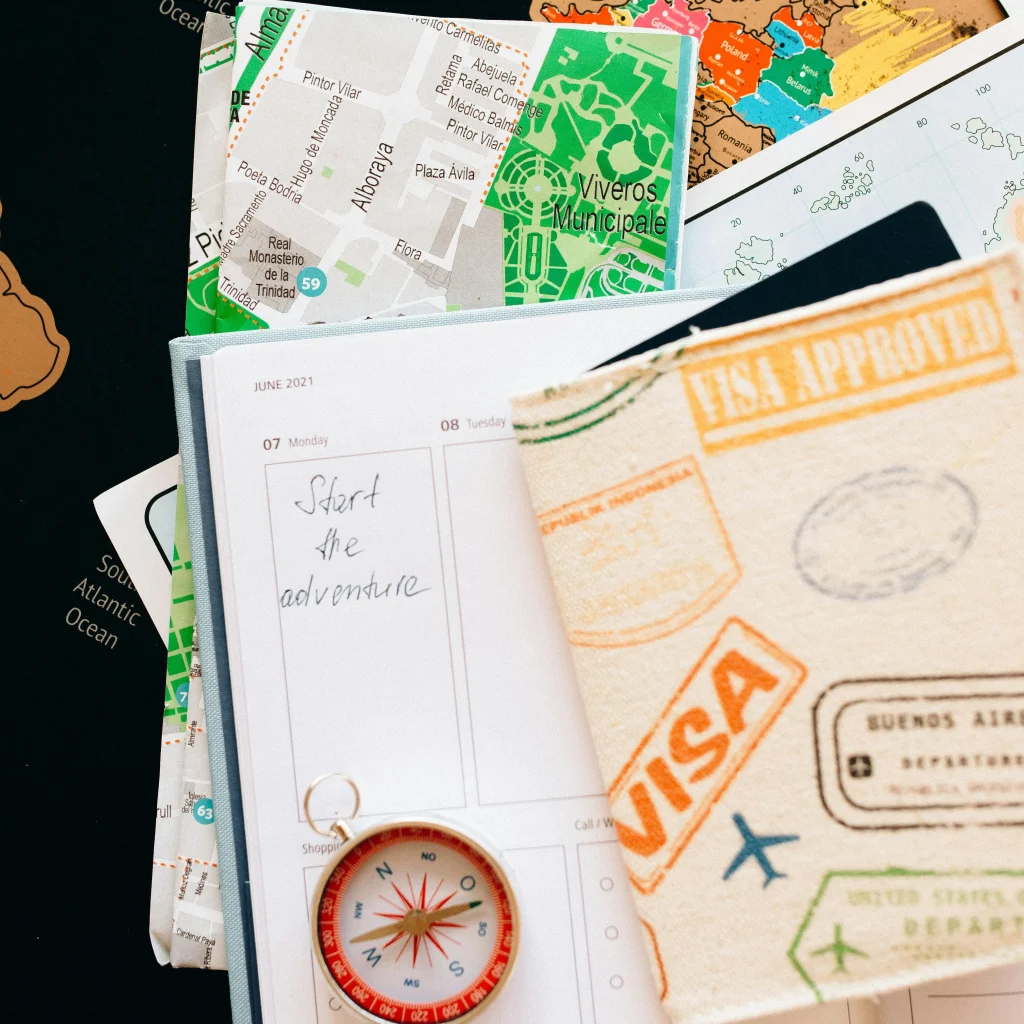


Start with your holiday package by choosing a guided tour package. It’s the best way to travel with family because all the details are pre-planned for you. This is especially important if you are not keen on researching destinations yourself.
For those who do pre-plan, take some time to create a complete itinerary following some research on the destination you are visiting. Pay special attention to special festivals, weather, and political climate when you are working on the itinerary. This provides space for back up plans in case of unforeseen travel problems.
The itinerary also ensures that everything is planned based on what you/ your family wants to see and experience. Just make sure all the activities are something worth trying and gives you and your fellow travellers a new dimension of the places visited.
If you are travelling on a budget then you should plan with flight, ground arrangements, passport, visa, meals, transport, shopping and contingency cash for emergency.
Preparation for Travel
Effective preparation enhances the ease and enjoyment of travel. At Forest Giant Ecotours, we advise travellers to begin their planning early to ensure that every aspect of the journey proceeds without a hitch.
Select a Guided Tour Package
Begin by selecting a guided tour package. This is one of the most straightforward methods of traveling, particularly for families. Most tour operators arrange accommodations, transportation, meals, and activities in advance. This approach saves time and alleviates the stress associated with planning everything independently.
Develop a Travel Itinerary
If you prefer to organize your own trip, create a detailed itinerary after conducting research on your destination. Investigate the weather, local festivals, and the political or safety climate. For instance, in East Africa, the dry season is typically the optimal time for observing wildlife. A well-structured itinerary also allows for alternative plans in case travel issues arise.
Carefully Plan Activities
Your itinerary should encompass activities that align with your interests. Options may include wildlife safaris, cultural excursions, nature hikes, or beach vacations. Opt for experiences that facilitate learning and enjoyment of the destination.
Establish Your Budget
If you are traveling on a limited budget, it is essential to plan your expenses ahead of time. Take into account costs such as airfare, ground transportation, passport and visa fees, meals, shopping, and emergency funds. Maintaining a small reserve for unforeseen circumstances is crucial.
Prior to embarking on a journey to East Africa, it is essential to prepare for fundamental health and medical prerequisites. This preparation is vital for ensuring a safe and pleasant travel experience.
Yellow Fever Vaccination
A majority of East African nations mandate proof of vaccination against Yellow Fever. Travelers are typically required to present a Yellow Fever vaccination certificate upon arrival at the airport. It is advisable to receive the vaccine at least 10 days prior to travel.
For instance, individuals entering countries such as Kenya, Uganda, or Tanzania may need to show this certificate.
Malaria Prevention
Numerous regions in East Africa pose a risk of Malaria. It is recommended that travellers:
These measures are particularly crucial when visiting national parks, rural areas, and lakeside regions.
Routine Vaccinations
Travelers should verify that their routine vaccinations are current. These may encompass vaccines for:
A travel clinic or physician can provide guidance on which vaccines are advisable based on your travel itinerary.
Travel Medical Insurance
It is highly recommended to obtain travel medical insurance that encompasses illness, accidents, and emergency evacuation. This is particularly important when visiting remote safari locations.
Personal Medication and First Aid
Travelers should bring their personal medications, prescriptions, and a compact first aid kit containing items such as pain relievers, motion sickness tablets, and essential medical supplies.
Travelers intending to visit East Africa must ensure compliance with the visa requirements of their destination country. A visa permits foreign visitors to enter a nation for purposes such as tourism, business, or other sanctioned activities.
Most individuals traveling to Kenya, Uganda, and Tanzania are obligated to secure a tourist visa prior to their arrival or via an authorized online platform.
Key Visa Requirements
Certain travellers visiting both Kenya and Uganda have the option to apply for the East Africa Tourist Visa, which facilitates entry into multiple countries with a single visa.
Travelers are encouraged to submit their visa applications several days or weeks prior to travel to prevent any potential delays. Additionally, it is crucial to verify the most recent immigration guidelines, as visa regulations may be subject to change.
Travel insurance plays a crucial role in the preparation of a trip to East Africa. It offers financial security and support in the event of unforeseen circumstances during your travels.
An effective travel insurance policy ought to encompass medical emergencies, trip cancellations, travel delays, and lost or stolen luggage. This is especially vital when exploring remote safari locations where access to healthcare may be restricted.
For instance, individuals embarking on safaris in nations like Kenya, Uganda, and Tanzania are advised to obtain insurance that provides emergency medical treatment and evacuation coverage.
Prior to departure, verify that your insurance policy:
Travelers should keep a copy of their insurance policy and emergency contact information with them throughout the trip.

The travel day marks the final phase before your vacation commences. Adequate preparation on this day is crucial for facilitating a seamless and stress-free journey.
Arrive Early at the Airport
It is recommended that travelers arrive at the airport at least 3 hours prior to international flights . This timeframe provides sufficient opportunity for check-in, security checks, and immigration formalities.
Carry Important Travel Documents
Ensure that all vital documents are readily accessible in your hand luggage. These may consist of:
These documents may be required during check-in or upon your arrival.
Pack Essentials in Hand Luggage
Include crucial items such as medications, valuables, travel documents, and a change of clothing in your cabin bag. This is particularly beneficial in the event that checked luggage is delayed.
Confirm Arrival Arrangements
Prior to departure, verify your airport transfer or pickup arrangements . Numerous travelers heading to destinations like Kenya, Uganda, and Tanzania are typically greeted by a tour guide or driver at the arrival airport.
Stay Informed During the Journey
Adhere to airline directives, keep your boarding information readily available, and remain attentive to announcements during the flight and at the airport.

Before and during your journey, it is crucial to remember a few flight and airport reminders to guarantee a seamless travel experience.
Verify Flight Information Ahead of Time
Travelers are advised to check their flight schedule 24 hours prior to departure. This ensures you are aware of any potential changes, including delays or gate modifications.
Adhere to Baggage Allowance Regulations
Airlines enforce specific guidelines regarding checked baggage and carry-on items . Ensure your luggage complies with the weight and size restrictions to prevent additional fees at the airport.
Prepare Essential Documents
Always have vital travel documents accessible in your hand luggage. These may consist of:
Airport officials in countries such as Kenya, Uganda, and Tanzania may require these documents during the arrival process.
Comply with Airport Security Guidelines
Passengers are required to adhere to airport security regulations. Liquids in hand luggage must conform to airline restrictions, and prohibited items should not be included in carry-on bags.
Remain Attentive to Announcements
Always stay alert for airport announcements and display screens regarding boarding times, gate numbers, and flight updates.
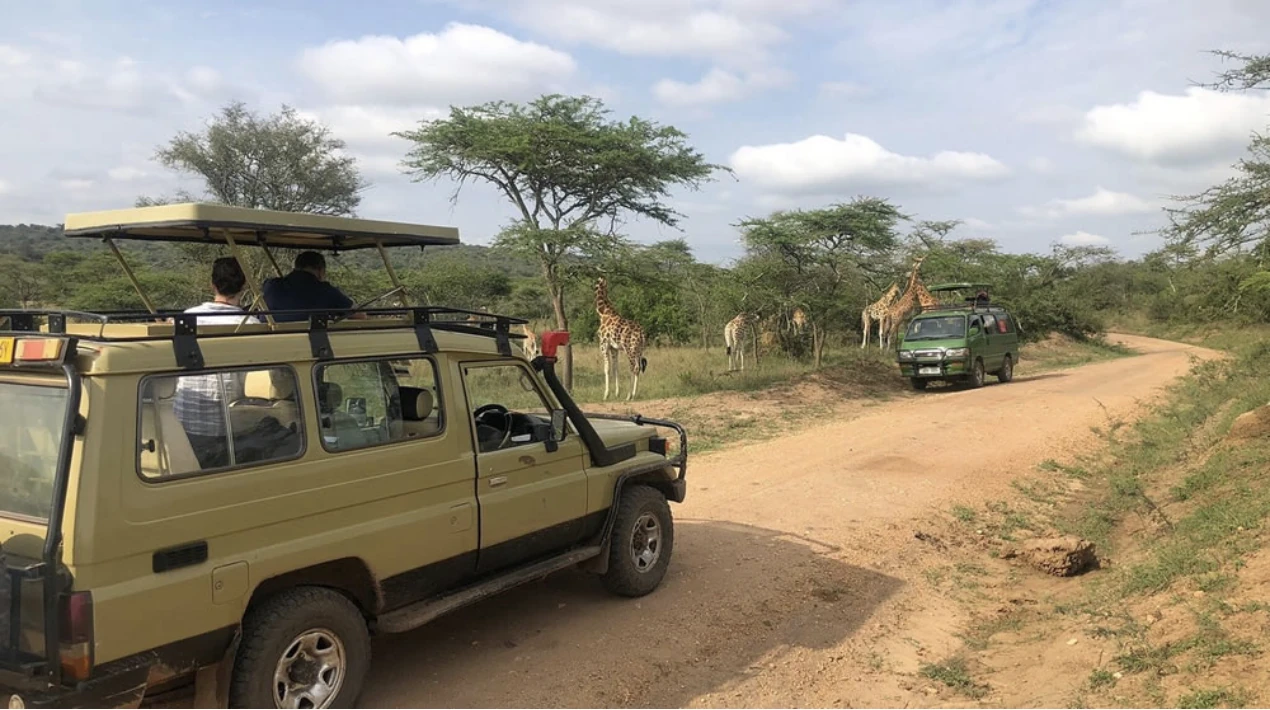
Self-drive travel provides a sense of flexibility and independence; however, it necessitates thorough preparation. Travelers intending to drive in East Africa should consider the following reminders.
Carry Valid Driving Documents
Drivers are required to possess a valid driving license. In certain instances, visitors may also need an International Driving Permit (IDP) alongside their national license when operating a vehicle in countries such as Kenya, Uganda, or Tanzania.
Understand Local Driving Rules
In the majority of East African nations, vehicles are driven on the left side of the road . Travelers must adhere to local traffic regulations, speed limits, and road signage to ensure their safety.
Plan Your Route in Advance
Prior to embarking on your journey, it is essential to meticulously plan your route. Some safari parks and rural regions may have sparse road signage or limited network coverage, making it beneficial to carry a GPS device, offline maps, or a printed map.
Check the Vehicle Condition
Verify that the vehicle is in optimal condition before setting off. Key checks should include:
Allow Extra Travel Time
Road conditions can fluctuate, particularly in rural and wildlife areas. Allocate additional time for travel and refrain from driving at night, especially near national parks where wildlife may traverse the road.
While traveling in East Africa, it is advisable for tourists to adhere to straightforward guidelines to guarantee a safe, enjoyable, and respectful travel experience. Forest Giant Ecotours curates experiences that enable you to maximize your trip while prioritizing safety and responsibility.
Adhere to Your Itinerary
It is recommended to stick to the itinerary provided by your tour operator. This will ensure that all planned activities, park visits, and transfers proceed smoothly and punctually.
Honour Local Culture and Communities
East Africa boasts rich and varied cultures. Visitors are encouraged to honor local customs, dress modestly when entering communities, and always seek permission before photographing individuals.
Observe Safety Guidelines
Pay close attention to the instructions given by tour guides and park rangers, particularly during wildlife safaris. This is crucial when exploring protected areas in nations such as Kenya, Uganda, and Tanzania.
Safeguard Wildlife and Nature
Refrain from feeding animals, littering, or disturbing wildlife. National parks and conservation areas are designated to protect natural habitats and biodiversity.
Maintain Health and Hydration
Carry drinking water, apply sunscreen, and adhere to health precautions throughout your journey. Travelers should also persist in using mosquito repellent, especially during the evening hours.
Secure Your Valuables
Minimize the amount of cash you carry and ensure that personal belongings are secure at all times. Utilize hotel safes when available.